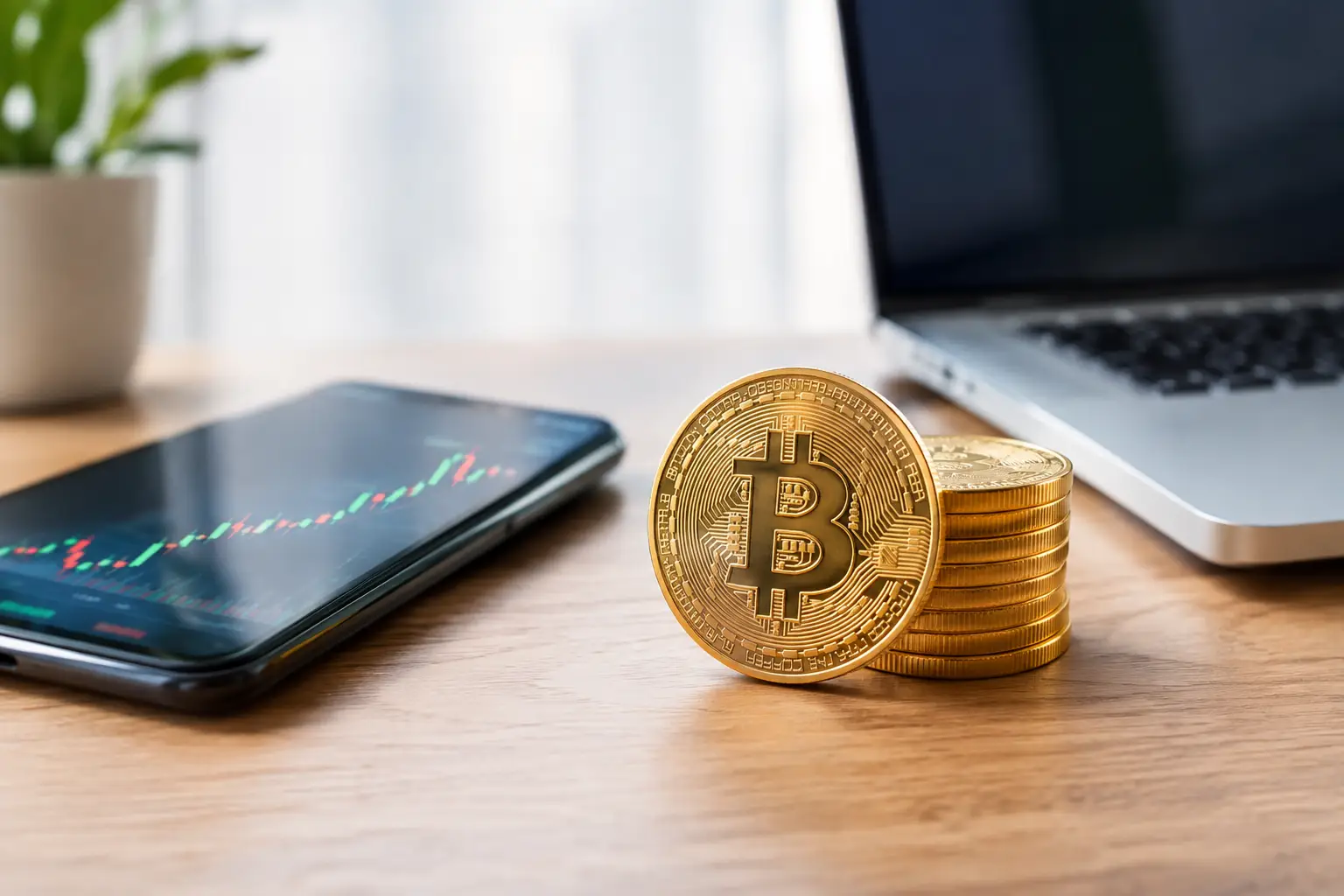
Buying Bitcoin shouldn’t become a second job. Yet, between videos predicting the next peak, price alerts, and dozens of available platforms, many investors postpone their decision or buy in a rush. The best method to buy bitcoin is rarely the one promising quick gains. It’s the one you understand, can repeat over time, and that protects both your capital and your peace of mind.
For an investor with a multi-year horizon, the goal isn’t to guess tomorrow’s price. You need to build a simple system: choose a reliable intermediary, decide on a purchase schedule, secure your bitcoins, and stick to your strategy without being distracted by market noise.
The best method to buy Bitcoin depends on your goal
There is no universal method. Someone who wants to invest a small amount each month has different needs than an investor allocating a significant part of their savings. The right approach mainly depends on three elements: your investment horizon, your tolerance for downturns, and the time you want to spend monitoring your investment.
If your goal is the long term, buying gradually is often more realistic than trying to find the perfect entry point. Bitcoin can experience rapid rises but also sharp corrections. Waiting for “the right moment” often leads to inaction, or buying after a surge because the fear of missing out takes over.
Conversely, investing a lump sum can make sense if you’ve already defined your allocation and accepted the volatility. This option requires more composure: your investment may drop right after buying, even if your long-term reasoning remains sound.
The choice isn’t between a smart method and a bad one. It’s about choosing the one you can stick with when the market gets uncomfortable.
Start by setting an amount that doesn’t jeopardize your daily life
Before choosing a platform, define a clear budget. Bitcoin remains a volatile asset. It should not replace your emergency savings or money set aside for rent, renovations, or short-term projects.
For many beginners, a simple approach is to set a modest percentage of available savings, then reassess this choice at regular intervals. The amount should remain manageable, even if the price drops sharply for several months.
A self-employed plumber, a hairdresser running their own salon, or a renovation entrepreneur may not have the same income every month. In this case, an overly ambitious fixed payment can create unnecessary pressure. It’s better to plan a reasonable monthly purchase you can maintain, then add extra when your cash flow allows.
This rule seems simple, but it prevents a common mistake: selling in a rush because the invested money was needed elsewhere.
Buy all at once or schedule your purchases?
A lump-sum purchase means investing your available budget in a single transaction. Its main advantage is simplicity. You’re exposed to Bitcoin immediately and don’t spend weeks hesitating. On the other hand, you accept the risk of buying before a drop.
Scheduled purchases, often called DCA, involve buying the same amount at regular intervals, such as weekly or monthly. When the price drops, your fixed amount buys more bitcoin. When it rises, you buy less. This method doesn’t guarantee profit or the best average price in all situations. Its main benefit is reducing the stress of picking a specific date.
For a busy long-term investor, this is often a decisive advantage. A mechanic, landscaper, or beautician doesn’t need to watch a chart between clients. An automatic rule limits emotional decisions and removes a recurring task from your list.
An intermediate solution is also possible: invest part of your budget upfront, then spread the rest over several weeks or months. You start right away while reducing the psychological risk of investing your entire amount at the same price level.
Consistency matters more than perfect timing
The purchase price is important, but discipline is often more valuable over several years. A strategy that depends on a “perfect signal” is hard to apply. A clear strategy, with a set amount, schedule, and security rules, holds up better during periods of doubt.
The goal isn’t to take many actions. The goal is to make a few good decisions and stick with them over time.
Choosing a platform: look at the facts, not just the ads
To buy Bitcoin, you’ll generally use an exchange or a broker. Don’t choose solely based on promises of an easy app or a signup bonus. Take the time to compare the conditions that will have a real impact on your purchases.
First, check the actual fees: deposit fees, purchase fees, the spread between displayed and executed prices, withdrawal fees to a personal wallet. Hidden fees can weigh heavily on a recurring purchase strategy.
Next, look at withdrawal simplicity. A platform may be convenient for buying, but your ability to transfer your bitcoins to a wallet you control should be clear. Also check the security measures offered, such as two-factor authentication, withdrawal confirmations, and company transparency.
Finally, choose an interface you understand. A platform filled with complex products, leverage, and trading notifications can push you to do more than your strategy requires. If you simply want to accumulate Bitcoin for the long term, you don’t need a professional trader’s dashboard.
Buying is one step, keeping your bitcoin safe is another
A classic mistake is to consider buying as the end of the process. In reality, you also need to decide where your bitcoins will be stored.
Leaving them on a platform can be convenient for small amounts or for beginners. The trade-off is simple: you depend on that company to access your funds. For a significant sum and a long-term horizon, many investors prefer to use a personal wallet, especially a hardware wallet.
This solution gives you more control, but also more responsibility. The recovery phrase must be written down offline, kept in a safe place, and never shared. Neither customer support, nor a relative, nor supposed help on social media should ever ask for it.
Avoid screenshots, notes on your phone, and unprotected cloud files. Security doesn’t have to be technical: it mostly relies on a few consistent habits. Also test your procedure with a small amount before transferring a larger sum.
Use data to stay on track, not to multiply decisions
Tracking Bitcoin doesn’t mean checking its price twenty times a day. This habit increases mental load and sometimes leads to selling during a normal dip or buying at a euphoric peak.
Useful tracking answers simple questions: what share of my wealth is exposed to Bitcoin? Am I sticking to my purchase schedule? Does my strategy still match my goals? Have market conditions changed enough to justify revising my plan?
This is exactly where an intelligent tool can save time. Instead of juggling conflicting news, macroeconomic data, and technical indicators, you can focus on a clear view of trends and risks. Yapuka Holder follows this logic: helping to filter out noise so you can follow a long-term Bitcoin strategy with more perspective, without turning every price move into an urgent decision.
AI shouldn’t decide for you or promise to predict the market. Its useful role is to simplify information, structure your tracking, and remind you of your own rules when emotions take over.
Mistakes that unnecessarily complicate buying Bitcoin
The first mistake is confusing investing with trading. Buying Bitcoin every month but selling at every dip is not a long-term strategy. The second is investing without an exit or rebalancing rule. Even a committed holder should know at what exposure level they want to slow purchases or rebalance their portfolio.
Another mistake is blindly following influencers, private groups, or promises of guaranteed returns. No one knows Bitcoin’s future price with certainty. Be especially wary of solicitations that create urgency, ask for your recovery phrase, or offer to send you bitcoins in exchange for more.
Finally, don’t accumulate tools. A reliable buying platform, a suitable storage method, an investment schedule, and periodic tracking are often enough. Adding more apps doesn’t make your plan better. Sometimes it just adds notifications and doubts.
A simple method you can stick with for years
The best way to buy Bitcoin can be summed up in one sentence: invest a controlled amount, at a pace you can maintain, through a reputable intermediary, then secure and calmly monitor your position.
You can review your strategy every three or six months instead of every day. This check-in is enough to review your allocation, purchases, security, and evolving goals. Between these checkpoints, let your system do its job.
Bitcoin remains unpredictable in the short term. Your method doesn’t have to be. The simpler it is, the more likely you are to stick with it when the market does what it always does: give you very good reasons to doubt.